HOME: The Parable of Beatrice and Neal
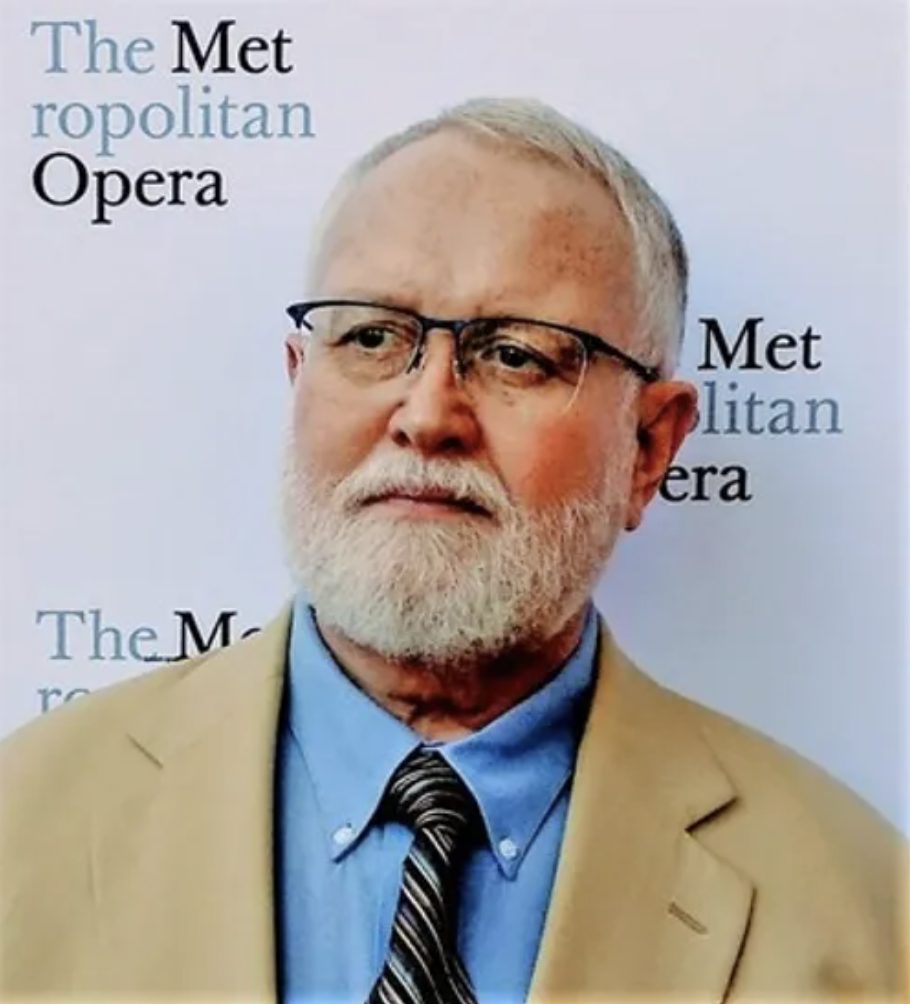
words and music by Timothy C. McGinley (1957-2019)
digital transcription by Andrew Collins
About the Musical
To celebrate its 10th anniversary in 1994, the Reconciling Congregation Program (now RMN) commissioned Tim McGinley to compose an original musical drama. Tim composed a mass setting expounding upon the theme of the church being home for everyone, which was overlaid with a parable based upon the Peter and Cornelius story in Acts 10-11.
HOME: The Parable of Beatrice and Neal had a troupe of six performers with a support team that toured to ten Midwestern cities over two weeks that summer. These performances had a profound impact upon the lives of audience members and congregations. McGinley made some revisions to the score and arranged additional performances over the next couple years, including at the 1995 convocation.
Reconciling Ministries Network—in collaboration with Mark Bowman–is reviving these HOME songs for the opening worship of its 2025 convocation. This new score has been produced for use by choirs and in congregations. These HOME songs provide a liturgical setting for worship that can continue to inform, inspire and invigorate our congregations, our ministries and our faith lives today.
Synopsis
Beatrice, Neal, and Barbara were seminary classmates. Neal, openly gay, left seminary and active church membership after one semester. Beatrice married a conservative classmate and tries to believe her calling is to be a pastor’s wife. Barbara, Beatrice’s longtime friend, whose church is a Reconciling Congregation, comes to town and arranges a dinner with Neal and several of his friends, then invites Beatrice as well. Over dinner the gay and lesbian friends share their experiences of rejection by the church. Beatrice invites them to come to her church early the next morning, and celebrates communion. The play is structured around the traditional elements of the communion ritual.
The musical was published by Reconciling Congregation Program (RMN’s predecessor), Chicago, in 1994.